
7 Mistakes When Choosing an Industrial Equipment Supplier
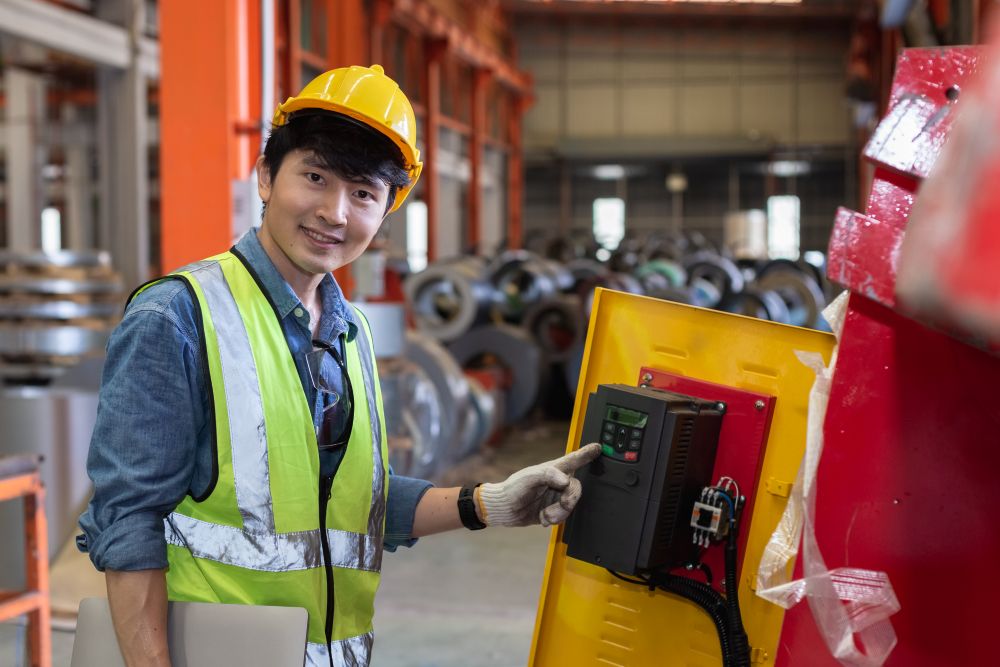
Common Mistakes When Choosing an Industrial Equipment Supplier in Singapore (and How to Avoid Them)
Singapore’s manufacturing is growing fast, with production jumping 29.1% (year-on-year) in October 2025.
As more factories run at full speed, choosing the right industrial equipment supplier has become more important.
Many industrial buyers focus on price or delivery speed, but overlook supplier capabilities that directly affect equipment performance and lifespan. Pick the wrong one, and you could face delays, extra costs, or poor-quality machines.
In this guide, we’ll share some common mistakes buyers frequently make when choosing a trusted industrial equipment supplier in Singapore, as well as practical ways to avoid them.
Mistake #1 – Choosing a Supplier With a Limited Product Range
Suppliers with limited inventories or a narrow selection of industrial machines may push equipment that isn’t the best fit for your operations, simply because they don’t have other options to recommend.
Having fewer choices also reduces flexibility as your operations grow or change.
On the other hand, a supplier with a wide range of industrial equipment can support your needs now and in the future, providing equipment that matches your exact requirements.
Mistake #2 – Ignoring Industry-Specific Equipment Experience
Industrial equipment needs differ across industries. Equipment suitable for fabrication or maintenance may not be enough for the commercial food sector.
For instance, food processing machinery for commercial use must support continuous operations, all while meeting hygiene and regulatory standards. Fabrication or maintenance sectors may have their own regulatory and operational requirements that must also be met.
More so, without industry-specific experience, a supplier may recommend equipment that falls short on compliance, hygiene, or performance. This can lead to operational issues and added costs later on.
Mistake #3 – Prioritising Price Over Performance and Suitability
Price is often the first factor industrial buyers consider, especially when working within fixed budgets. However, choosing equipment based on cost alone can lead to problems.
Low-cost machines may struggle under continuous industrial use, resulting in frequent breakdowns, higher maintenance expenses, and unexpected downtime. Undersized or underpowered equipment can also affect productivity and increase long-term costs.
A reliable industrial equipment supplier should help you understand the trade-offs and evaluate long-term value, whether you’re sourcing pumps, industrial air compressor solutions such as a heavy-duty belt-driven air compressor, or other machinery.
Mistake #4 – Overlooking After-Sales Support and Technical Guidance
Many buyers assume the process ends once the equipment is delivered. However, the buying journey continues through after-sales support.
When after-sales support is lacking, operators may incorrectly use equipment, leading to frequent breakdowns, safety risks, and a shorter lifespan. Delayed troubleshooting or unclear maintenance guidance can also increase downtime and disrupt operations.
An experienced industrial equipment distributor must guide you in proper installation, setup, and correct usage, which are all part of after-sales and local technical assistance.
It’s also a significant advantage when your supplier provides trained technicians, clear manuals, and responsive support.
Mistake #5 – Forgetting Maintenance, Cleaning, and Site Equipment Needs
Part of the post-purchase process is proper equipment maintenance. The more frequently equipment is used, the more important it becomes to clean and maintain it regularly. Maintenance tools help ensure hygiene, safety, and operational efficiency.
For example, industrial pressure cleaning equipment or industrial vacuum cleaning machines can make a big difference in keeping your site and machines in top condition.
A reliable industrial equipment supplier should support the full operational lifecycle, offering guidance on proper use, maintenance schedules, and cleaning practices to help protect your investment and reduce downtime.
Mistake #6 – Not Verifying Equipment Durability and Build Quality
Before choosing a machine, ask yourself: will it be used for light tasks, daily commercial work, or heavy industrial workloads?
The intended use matters because light-duty or commercial equipment may struggle under continuous workloads, while industrial-grade machines are designed to handle higher stress.
For instance, if your operation involves cutting materials, whether with industrial cutting equipment or a heavier-duty industrial bandsaw machine, check practical factors like durability, equipment material, motor strength, frame stability, blade quality, and load capacity. Such factors can help you decide if the industrial equipment can withstand the conditions of your intended use.
Mistake #7 – Ignoring Power, Safety, and Compliance Requirements
Not all equipment can fit your facility’s power requirements. A frequent mistake is choosing equipment without confirming power compatibility and capacity or safety compliance.
For example, when using equipment such as battery charging and welding equipment or an industrial inverter welding machine, it’s a good practice to verify voltage, current, and compliance certifications.
Ignoring this can lead to tripped circuits, equipment damage, or safety hazards. Ensuring compliance protects both your team and your investment in machinery.
How to Choose the Right Industrial Equipment Supplier in Singapore
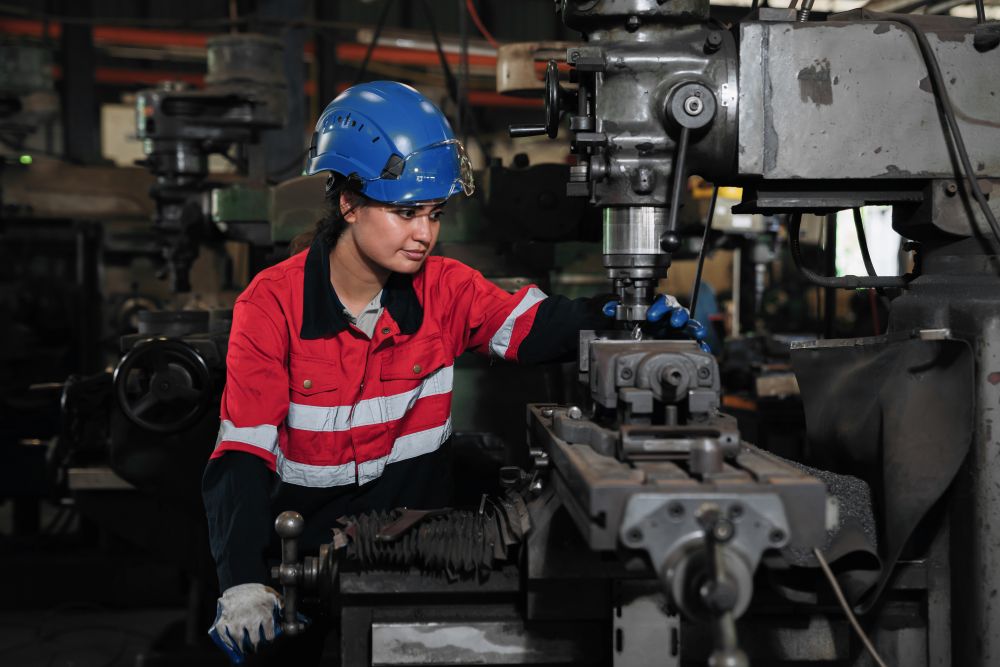
Avoiding common mistakes can help you make smarter decisions, reduce downtime, and protect your investment.
When choosing a trusted industrial equipment supplier in Singapore, look for:
- Depth of product range and catalogue
- Industry-specific expertise
- Availability of technical and after-sales support
- Equipment quality, durability, power compatibility, and compliance
- Ability to scale with operational growth
Your supplier should be a long-term partner, not just a vendor.
The right industrial equipment supplier is more than a vendor. They’re a ,long-term partner who supports your business beyond the purchase. Instead of just providing minimal post-sale support, a true partner encourages collaboration and communication, offers technical advice, and helps you choose solutions that fit your operations.
For over 30 years, Lian Beng Machinery Co. has been a trusted industrial equipment distributor in Singapore.
More than supplying machines, we provide expert guidance, dependable after-sales support, and tailored solutions that meet each client’s unique needs.
Our experienced technicians and engineering team ensure every piece of equipment performs reliably, and we can even customise products to fit specific operational requirements.
Consult our industrial equipment expert or browse our available equipment today!