Questions to Ask Your Industrial Equipment Distributor
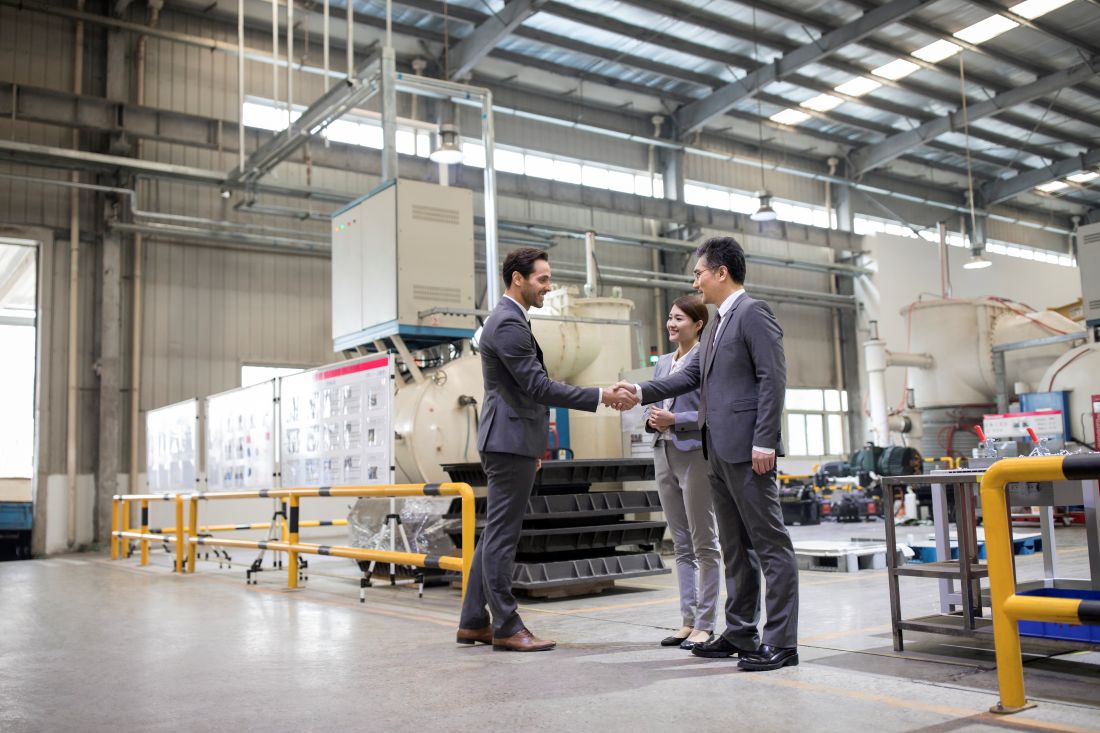
Key Questions to Ask Your Industrial Equipment Distributor Before Buying
Industrial equipment not only supports production. It is the production. Equipment does the work, and when it fails, production slows down, schedules get delayed, and costs rise.
The financial impact is significant.
Unplanned downtime is a serious issue for manufacturers, adding up to about $50 billion in losses each year. Equipment failure is responsible for roughly 42% of that downtime.
Such losses are not good for industrial facilities.
It only reinforces the fact that equipment purchasing is a long-term operational decision and that choosing the right industrial equipment distributor is a key part of buying quality, reliable equipment.
During your conversation, it’s essential to ask the right questions with efficiency, safety standards, and return on investment (ROI) in mind.
What exactly are the priority questions to bring up?
Key Questions to Ask Before Buying Industrial Equipment
The thing is, if you don’t ask the right questions during your purchase, you’re essentially buying without full visibility. That’s not ideal for any operation, and it’s even riskier for facilities running at higher capacities.
Without visibility, it can lead to equipment that does not match your actual operating conditions or higher maintenance and repair needs.
Question 1: Is the Equipment Suitable for My Specific Application?
The first question to ask an industrial equipment distributor is whether the equipment is suited to your industry, workload, and operating environment.
Equipment that performs well in one setting can fail in another if the conditions don’t match.
For instance, when selecting industrial compressed air systems, it’s important to understand the different types available, which include oil-free and lubricated air compressors.
In industries like food and beverage or pharmaceuticals, contamination control is critical.
Here, oil-free air compressors are often the better option. It’s because they reduce the risk of oil contaminating the workspace, helping maintain safety standards and protect product quality.
Question 2: What Equipment Types and Configurations Are Available?
Your conversation with an industrial equipment distributor shouldn’t focus on pushing a single model.
They should help you compare alternatives based on your facility’s needs. This way, their recommendation is driven by fit and performance, not by price or bias toward a more expensive option.
For example, an air compressor supplier in Singapore should share different types: oil-free air compressors, belt drive air compressors, piston compressors, or direct drive air compressors.
Each configuration serves a different purpose and comes with its own trade-offs in terms of durability, noise levels, and energy use.
The distributor must explain these factors clearly so you can make an informed and sound decision before making a purchase.
Question 3: What Support, Servicing, and Spare Parts Are Provided?
Engaging with an industrial machinery distributor is not a one-time transaction.
It’s best to partner with one that offers ongoing maintenance support, reliable servicing, and readily available spare parts.
When equipment issues arise, you can rely on timely assistance and quick access to parts, reducing downtime and unnecessary delays.
Ask about this from the start. Clear answers upfront help set expectations and avoid service gaps after the purchase is complete.
Question 4: What Is the Total Cost Beyond the Initial Price?
The upfront price of equipment is only part of the cost.
To make a decision, you need to understand the long-term expenses that come with owning and operating it.
Focus on the total cost of ownership. This includes energy efficiency, maintenance frequency, downtime risk, and how often components may need to be replaced.
A lower purchase price doesn’t always mean better value if higher energy use or frequent servicing drives costs up over time.
Question 5: Does the Distributor Have Proven Local Experience?
Ask your industrial equipment distributor about their experience, including the locations they serve and, more importantly, the industries they support.
Do they have a track record working in your area and with facilities like yours? Do they have any portfolio or case studies to show?
Local knowledge matters, especially in a compliance-driven environment like Singapore. A distributor familiar with the region understands local regulations, operating conditions, and service expectations.
Ultimately, that on-the-ground experience can make a real difference if any issues surface.
Question 6: Can the Distributor Support Future Expansion and Scaling?
A good industrial machinery supplier should share their full range of industrial equipment for factory operations and other facilities.
Assess whether the distributor can meet your needs if your production capacity expands.
Can they supply additional equipment, support increased demand, and respond quickly to your changing requirements?
Red Flags When Choosing an Industrial Equipment Distributor
As you ask the questions shared above, watch for a few red flags. They often point to gaps in service, experience, or transparency.
- Price-first selling with no application understanding: You want a distributor who cares about your operations, not just closing a sale. When they speak, do they show real expertise and a clear understanding of your specific application? They should ask more about your environmental conditions and explain why a certain model is better for your application.
- Vague answers on servicing and support: Clarity is important. Check who will handle repairs and whether spare parts are readily available.
- Limited product range: If a distributor only offers a limited selection, they may not be able to recommend the best solution for your needs, because they’re limited to what they carry rather than what actually fits your operation.
- No discussion of long-term performance or scalability: If you don’t think about long-term performance and scalability now, you risk choosing a system that won’t keep up as demand grows or needs change.
Choosing the right distributor matters, and it starts with asking the right questions.
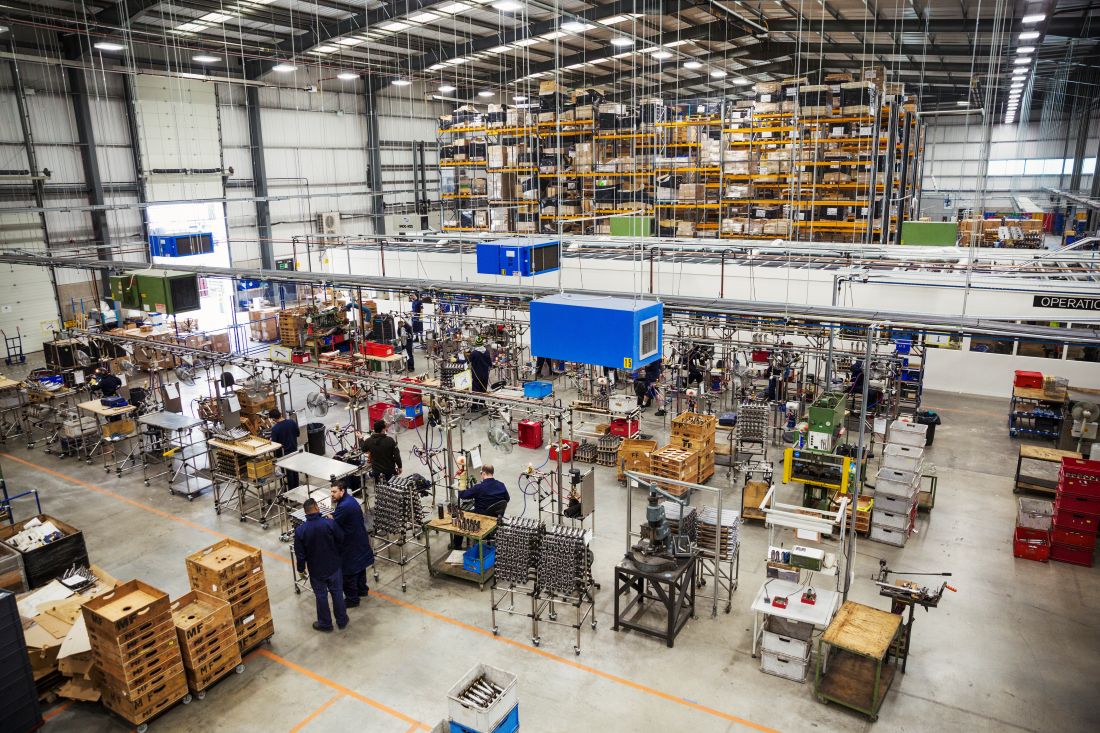
If you choose the wrong machinery supplier, your risk of equipment downtime and safety issues increases. These problems often stem from unclear maintenance plans or incorrect equipment recommendations.
Choosing the right one matters, especially for high-impact purchases like air compressors and water pumps, where the wrong model can be undersized or overloaded, leading to frequent downtime, safety risks, and costly repairs.
To find the right partner, evaluate how a distributor responds to your inquiries and whether they can clearly explain how their products fit your operations. Their answers will highlight green flags or red flags and guide your decision.
As a trusted industrial equipment supplier in Singapore, Lian Beng Machinery Co. has over 30 years of experience in distribution. We’ve been supplying industrial and construction machinery, with technicians who provide quality service—whether you need a quick tune-up or simply want to ask a question.
We’re committed to helping you make the best decisions for your facility. Contact us to learn more.